Yesterday we spent some time putting together the final touches to both pitches and treatments; Change The Record - the independent record store to internet sales documentary, and City Canvas - the documentary exploring and challenging misconceptions about street art. We managed to speak to both Spike (our contact for the record store idea, who owns the Music Consortium in Liverpool) as well as Kieran (our contact from Liverpool organisation ZapGraffiti) via phone calls, who have both agreed to keep in touch and have shown interest in our ideas at this stage.
Due to the university strike today, unfortunately we were unable to pitch today, despite having everything in place as a group. We have managed to use today as an opportunity to make further contact with our possible contributors to make them aware of this change, and have agreed to contact them further on Monday after our pitch to discuss the chosen idea further.
We have arranged to meet up again tomorrow as a group to adapt our pitches slightly, based on the information that our contributors have given us and to practice timing our pitch to the 10 minutes we will be given on Monday. At this stage, we feel quite confident as a group that we have two strong ideas and are organised, but have agreed that after Monday it should be a lot easier for us to progress once we have found out which concept gets chosen, as then we can really focus in on spending our time making arrangements and planning for one key idea instead of splitting our time between organising the separate two that we currently have.
Thursday, 6 February 2014

Tuesday, 4 February 2014
Documentary group update
Since last week, as a group we have been meeting every day to keep up to date with the production progress. After speaking to Spike on the phone on Monday, he expressed a level of interest and said that in principle he was agreeing to being involved with our documentary, however was keen to find out more about the exact angle and approach to the documentary that we are taking. We agreed to stay in touch, and after meeting again with the rest of the production team on Monday, I have since written up a clear outline and treatment and sent this via e-mail to Spike, along with a list of questions for him which he also suggested on the phone might be something he could further help us out with.
The group have discussed this concept further and we have all agreed that it seems like an interesting and unique subject matter that if we can follow through with and keep the interest there between both us and the contributors, will be good to work with and produce an informative documentary. We have also discussed our other idea which will also be pitched on Thursday, focusing in on the topic of Street Art and challenging misconceptions associated with it. Oliver has successfully managed to research and contact local Liverpool organisation ZapGraffiti, who promote graffiti as a positive art form, and they have also shown a level of further interest in working alongside us with this documentary film project. We discussed as a group the importance of keeping in contact with people from backgrounds relating to both of these separate ideas, as for now it is a good idea to keep our options open in terms of which idea we will choose to go ahead with for the final production.
I tried to book out a room for the group to meet and spend some time creating a pitch and discussing our ideas further, however due to the library being busy a problem I encountered was that all of the rooms were booked up for most of the afternoon. We still arranged to meet up and luckily we got around this by finding a free table in the library with a large computer screen which we used to create the pitch for the record concept together. We also came up with the working title for now as 'Change The Record', which can be interpreted in two ways; changing the record as something is getting old/boring and a new change is required, or as in change the record into a CD, in terms of the comparison between old and new times and changing technology in the music industry.
I have completed the treatment for the 'Change The Record' documentary idea, whilst Oliver and Alex Kentfield have been working on the treatment for the Street Art concept. We have arranged another group meeting for tomorrow at 2p.m, where we aim to get the Street Art concept pitch completed, so that we have the rest of tomorrow evening, as well as another final group meeting held on Thursday morning to run through our pitches and make sure that everything is put into place and fits within the given 10 minute time slot ready for our two pitches on Thursday.


The group have discussed this concept further and we have all agreed that it seems like an interesting and unique subject matter that if we can follow through with and keep the interest there between both us and the contributors, will be good to work with and produce an informative documentary. We have also discussed our other idea which will also be pitched on Thursday, focusing in on the topic of Street Art and challenging misconceptions associated with it. Oliver has successfully managed to research and contact local Liverpool organisation ZapGraffiti, who promote graffiti as a positive art form, and they have also shown a level of further interest in working alongside us with this documentary film project. We discussed as a group the importance of keeping in contact with people from backgrounds relating to both of these separate ideas, as for now it is a good idea to keep our options open in terms of which idea we will choose to go ahead with for the final production.
I tried to book out a room for the group to meet and spend some time creating a pitch and discussing our ideas further, however due to the library being busy a problem I encountered was that all of the rooms were booked up for most of the afternoon. We still arranged to meet up and luckily we got around this by finding a free table in the library with a large computer screen which we used to create the pitch for the record concept together. We also came up with the working title for now as 'Change The Record', which can be interpreted in two ways; changing the record as something is getting old/boring and a new change is required, or as in change the record into a CD, in terms of the comparison between old and new times and changing technology in the music industry.
I have completed the treatment for the 'Change The Record' documentary idea, whilst Oliver and Alex Kentfield have been working on the treatment for the Street Art concept. We have arranged another group meeting for tomorrow at 2p.m, where we aim to get the Street Art concept pitch completed, so that we have the rest of tomorrow evening, as well as another final group meeting held on Thursday morning to run through our pitches and make sure that everything is put into place and fits within the given 10 minute time slot ready for our two pitches on Thursday.
Monday, 3 February 2014
Documentary Project
For the documentary project we are required to work in groups of six. For this project, I will be working as Producer, with Noah Chebouli as Director, Alex Kentfield as Camera Operator, Alex Potter as Sound - Recordist, Oliver Guy as Sound- Editor and Saul Allerton as Editor.
Since being introduced to the new documentary module on Thursday, as a group we have all exchanged contact details and been communicating with one another to arrange meetings. We have held two successful group meetings since, where we have been starting to discuss early ideas, researching current news articles and developing our concept.
After doing some joint group research on the Liverpool Echo website on Thursday afternoon, as a group we managed to narrow down our findings to two newspaper articles that caught our attention in terms of thinking about the benefits of creating a documentary based on their individual subject matters. We also discussed another idea that we had previously thought about and looked into, and we discussed the pros. and cons. of using each story as a main focus for our documentary.

Taking on the role of Producer, over the weekend I have managed to successfully get in contact with The Music Consortium, an Event Management, Event promotion, Crew Management and Artist Management company based in Liverpool, who also used to own the Vinyl Record Shop in Liverpool city centre that has now been closed down. The news article that we found discusses the fact that the store is now selling all of it's stock on eBay, which grabbed our attention as we thought about how the contrast between the age of a record, as a valuable collector's item, and online auctioning sites such as eBay could create an opportunity for an interesting documentary film to be made. I have made arrangements to speak to the previous owner of the store and The Music Consortium, Spike Beecham, on the phone on Monday, and to meet up with the rest of the group on Sunday afternoon to discuss our concept further after this. We have had a look at the news article which we originally found as a group, and I have highlighted some key facts that we discussed and found to be of interest:


We agreed on some questions to ask, and a few key areas to research further into, including how the store stands now and what state it is in (we discussed that if it was a completely empty and bordered up this could actually enhance our creativity and communicate our idea more strongly) and where the large collection of records is currently stored. As Producer, I am also going to discuss this with Spike on the phone tomorrow, and try and gain access to some key locations and possibly try and arrange some contributors for interviews.
We have all agreed that communicating with one another and keeping in contact is vital during our production, and so we have agreed to meet up every day this week, in order to all contribute towards our final pitches and treatments ready for Thursday and also keep updated with the latest happenings and the progress of our production.
Since being introduced to the new documentary module on Thursday, as a group we have all exchanged contact details and been communicating with one another to arrange meetings. We have held two successful group meetings since, where we have been starting to discuss early ideas, researching current news articles and developing our concept.
After doing some joint group research on the Liverpool Echo website on Thursday afternoon, as a group we managed to narrow down our findings to two newspaper articles that caught our attention in terms of thinking about the benefits of creating a documentary based on their individual subject matters. We also discussed another idea that we had previously thought about and looked into, and we discussed the pros. and cons. of using each story as a main focus for our documentary.
After discussing this further and researching each story again individually, we agreed as a group that the idea we felt strongest about and that seemed the most current and original was the closure of the Vinyl Emporium record store concept. As a second idea to also pitch on Thursday, we chose the Street Art concept over the Public Transport idea, as we felt as a group that more could be achieved visually with it, and that our public transport idea was heading more in the direction of a short film narrative rather than a documentary.
Taking on the role of Producer, over the weekend I have managed to successfully get in contact with The Music Consortium, an Event Management, Event promotion, Crew Management and Artist Management company based in Liverpool, who also used to own the Vinyl Record Shop in Liverpool city centre that has now been closed down. The news article that we found discusses the fact that the store is now selling all of it's stock on eBay, which grabbed our attention as we thought about how the contrast between the age of a record, as a valuable collector's item, and online auctioning sites such as eBay could create an opportunity for an interesting documentary film to be made. I have made arrangements to speak to the previous owner of the store and The Music Consortium, Spike Beecham, on the phone on Monday, and to meet up with the rest of the group on Sunday afternoon to discuss our concept further after this. We have had a look at the news article which we originally found as a group, and I have highlighted some key facts that we discussed and found to be of interest:

We have all agreed that communicating with one another and keeping in contact is vital during our production, and so we have agreed to meet up every day this week, in order to all contribute towards our final pitches and treatments ready for Thursday and also keep updated with the latest happenings and the progress of our production.

Thursday, 30 January 2014
Documentary Analysis - Pockets
Pockets (Dir.James Lees, 2008)
Pockets (Dir. James Lees) is a three minute documentary film which explores the subject of emptying different peoples pockets to see what the items they have on them mean to them. I find this short documentary interesting in terms of how visual it is within a short amount of time.
I particularly like the use of depth of field within the film; the use of focusing different areas of the shot enables the viewer to discover parts on screen that they may not have previously considered, for example, within the second shot shown below, the viewer is narratively being told something about the subject that is shown to be out of focus, however visually the background location is in clearer focus, which takes the story visually away from subject and makes viewer instead search frame and focus on the background location instead.
I also find the choice and range of angles within the 3 minute film interesting, and feel like this is something I would like to be able to explore in a similar way within our own documentary, in terms of experimenting with creative angles and shot types as well as using focus pulls when filming the art filled walls and areas. I like how this film has such a simple concept to follow, however it still keeps the viewer engaged for the full three minutes, as it is shot creatively and the cinematography is composed well. The film also feels very real and reminds me of some independent films that I have seen, in terms of following a simple concept and narrative within a short amount of time, but still making it visually appealing enough for the viewer to be fully drawn into.


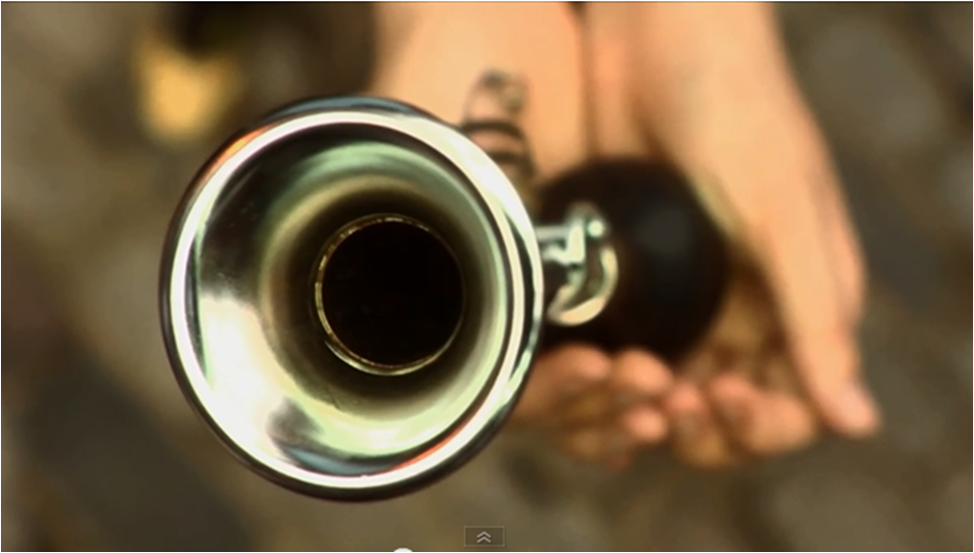
Pockets (Dir. James Lees) is a three minute documentary film which explores the subject of emptying different peoples pockets to see what the items they have on them mean to them. I find this short documentary interesting in terms of how visual it is within a short amount of time.
I particularly like the use of depth of field within the film; the use of focusing different areas of the shot enables the viewer to discover parts on screen that they may not have previously considered, for example, within the second shot shown below, the viewer is narratively being told something about the subject that is shown to be out of focus, however visually the background location is in clearer focus, which takes the story visually away from subject and makes viewer instead search frame and focus on the background location instead.
I also find the choice and range of angles within the 3 minute film interesting, and feel like this is something I would like to be able to explore in a similar way within our own documentary, in terms of experimenting with creative angles and shot types as well as using focus pulls when filming the art filled walls and areas. I like how this film has such a simple concept to follow, however it still keeps the viewer engaged for the full three minutes, as it is shot creatively and the cinematography is composed well. The film also feels very real and reminds me of some independent films that I have seen, in terms of following a simple concept and narrative within a short amount of time, but still making it visually appealing enough for the viewer to be fully drawn into.
Documentary Analysis - The Apology Line
The Apology Line (Dir. James Lees, 2007)
I found 'The Apology Line' to be an insightful documentary film, as I thought the style and approach of the film was very interesting and different to others that I have seen, as it did not seem to follow a standard documentary structure or narrative. I enjoyed that the film did not have a strict narrative structure and instead focused on exploring a simple idea that gained different responses and that at times felt more like a short film. By watching a different type of documentary film such as this, it has given me an insight into how open documentary filmmaking can be, and the options that can be explored instead of just telling a story. I like that this documentary follows such a simple idea, but is so effective as the set up that it does have gains different responses and manages to still keep the viewer entertained throughout.
Another element to this documentary that I like and that I feel works well to convey the mood to the viewer is the cinematography. The use of focus pulls and the composed lighting set ups help to visually set up the tone and mood of the film, and make the film look more visually appealing. As a lot of this documentary focuses on fewer shot changes and more on longer pieces of audio,the few shots that are shown on screen during this are held for a long amount of time, making it even more effective as well as fitting with the subject matter well.
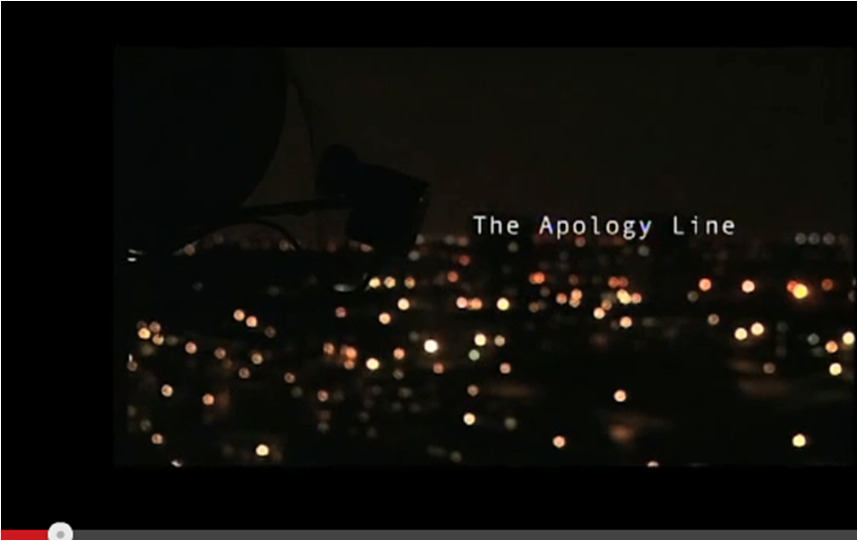
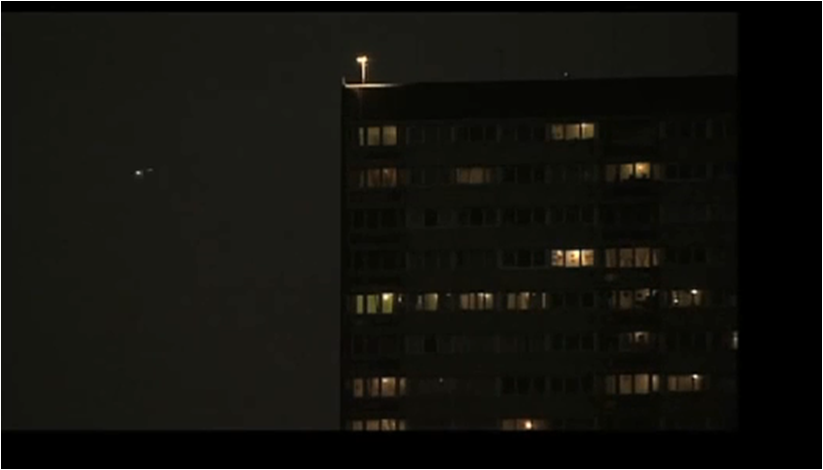

I found 'The Apology Line' to be an insightful documentary film, as I thought the style and approach of the film was very interesting and different to others that I have seen, as it did not seem to follow a standard documentary structure or narrative. I enjoyed that the film did not have a strict narrative structure and instead focused on exploring a simple idea that gained different responses and that at times felt more like a short film. By watching a different type of documentary film such as this, it has given me an insight into how open documentary filmmaking can be, and the options that can be explored instead of just telling a story. I like that this documentary follows such a simple idea, but is so effective as the set up that it does have gains different responses and manages to still keep the viewer entertained throughout.
Another element to this documentary that I like and that I feel works well to convey the mood to the viewer is the cinematography. The use of focus pulls and the composed lighting set ups help to visually set up the tone and mood of the film, and make the film look more visually appealing. As a lot of this documentary focuses on fewer shot changes and more on longer pieces of audio,the few shots that are shown on screen during this are held for a long amount of time, making it even more effective as well as fitting with the subject matter well.
Saturday, 25 January 2014
Initial Ideas and Inspiration for Semester 2 - Street Art in Sheffield
I found the idea really interesting, but thought about how this could be achieved in a visually different way to how other street art and graffiti specific based documentaries and programmes have previously portrayed it, as I did initially think that it had been covered quite a lot before and wanted to create something different. I decided to take my camera out around the city centre and its outskirts, to see if I could capture any pieces of interesting street art from unusual angles, as an early visual starting point for this concept.


Wednesday, 18 December 2013
Creative Media Practice Project Evaluation
The Creative Media Practice module has been an interesting and enjoyable module to explore. With the brief being open to interpret and create any work that could fit into experimental film, originally it was quite difficult to come up with an original concept, however it opened up many possibilities in terms of the approach that we decided to take. I wanted to challenge myself with this project, and from an early on stage the idea of something internal within the mind was a concept that I felt inspired to explore and that appealed to me, as opposed to choosing to follow the route of recreating the sense of a physical place.
With
this early idea in mind, the concept of exploring the mind through sound and
film seemed largely broad, and it felt quite challenging to condense the ideas
that the group had into one simplified idea. I have found that the research
blog has been an incredibly useful element to this module, as this is where I
have collected many of my ideas in one space, and it has helped me to develop
the concept at a progressive pace and keep a record throughout the creative
process of what has worked well and which ideas are consistent throughout any
changes we chose to make.
Working alongside Sarah for this project, I have found that although we have previously worked on film work together, this project in particular has made us aware that a lot of our ideas are similar and we worked strongly together as a team throughout the different stages of the project. I found that holding regular group meetings in between seminars and spending a lot of time together in the locations that we intended to film in before recording to be particularly useful. This was especially the case during the times when we were struggling, and when the project felt a bit disorganised in terms of attempting to fit the film and audio content that we had gathered into our original concept.
Working alongside Sarah for this project, I have found that although we have previously worked on film work together, this project in particular has made us aware that a lot of our ideas are similar and we worked strongly together as a team throughout the different stages of the project. I found that holding regular group meetings in between seminars and spending a lot of time together in the locations that we intended to film in before recording to be particularly useful. This was especially the case during the times when we were struggling, and when the project felt a bit disorganised in terms of attempting to fit the film and audio content that we had gathered into our original concept.
I feel that our ability to work well as a team and manage our time worked to our advantage really positively during this project, as we were both able to problem solve effectively and come up with a concept which we felt comfortable with producing and that we found enjoyable to explore. The final concept for our ‘sense of place’ project was decided upon; to show a series of memories within a lifetime through the eyes of a person who is experiencing progressive memory loss. We felt that this improved concept fit more strongly into the theme ‘sense of place’, with the place being the mind and the main category of approach that it falls under being non linear, as the memories shown are sometimes in a non chronological order. However, the project does cross over into the pure abstraction approach to some extent, as we chose to have a particular emphasis on experimenting with adapting the focus on the camera within our film to create meaning linked with memory loss. We also chose to experiment with lighting the further the film progresses, to work alongside the out of focus shots to lower the tone of the piece.
The
influences for this concept came from originally doing a lot of in depth
research into already existing experimental short films, and then narrowing
this down to a few which particularly stood out to me. I liked the concept of a
journey through the mind from an early stage in the module, as it feels like
quite a personal concept to explore and is something that I feel can actually
be hard to show realistically through film. The idea of exploring memory loss
within the piece appealed to us as the project progressed, as we began to think
about the range of possibilities available for us to explore both technically
and creatively within this developed concept. We felt more positive and
inspired by this concept, and spent a lot of time planning and experimenting
with how this concept could visually be achieved by exploration with technical
choices in terms of camera and sound. An idea that was agreed on early on was
our choice to use focus pulls and explore different lit situations within this
to portray vaguer memories, which we feel worked well and came across very
strongly towards the end of our film in particular. I feel that this helps to
add perspective from the subject’s point of view and intended for this to
connect with the viewer and change the tone of the film to quite upsetting
within a short amount of time. I also feel that the speed in which the film
changes tone works quite successfully alongside the narrative, which is
intended to represent that a memory can be lost very quickly and I wanted to
show this sudden change within the
visual build up and progression of our project. One of the key connections we
established that we wanted to go ahead with during the production process was
time and memory and how the two can be connected visually, as well as with
audio. With this in mind, this was the main reason for our decision to include
the frame shots, as well as the ongoing background track of the clock ticking
throughout the film alongside the other visuals, sounds and voiceover
narration.
The
addition of voiceover was an idea which we were initially unsure about. After
gaining feedback from a number of different viewers perspectives, we received
mixed feelings about whether this aided in making the film seem believable or
not. The original intention for this was that it would create an extra layer
for our piece, and not guide the viewer away from the visuals as such, but add
more of a personal perspective on to the piece.
We didn’t want to include a full voiceover, and instead focused on a few
repeated words and key sentences which would represent the fragments of memory
that could be remembered. After listening again and taking on board the
feedback given, if this project was to be approached again the voiceover may
have to be reconsidered.


Our intention for the piece is to make the audience feel as if they are being taken on a journey and given an insight into fragments of memory from the subject's perspective. The piece is purposefully in non- chronological order at times and our intention with this was for the audience to view it as quite moving. In terms of the intended audience, we wanted to explore quite a personal topic, and show the memory loss process through film from the perspective of the subject as opposed to someone who might not necessarily understand it from the outside. We aspired to take a less informative approach and instead more of a reflective and experimental one. Within the experimental nature of the film, we would like to see what different members of the audience take away from this piece and how they perceive it and connect with it on a personal level.
The
process of creating the piece of work has been enjoyable. I feel like the
project has greatly improved throughout the process and believe our team work
and motivation has been a key strength during this project.
In
terms of weaknesses, I found condensing my own ideas down to be quite difficult
at times, as I was passionate about the idea and had lots of ideas at the same
time. For the final project, I was responsible for filming and editing the
video content, whilst Sarah took on the role of recording and editing the audio
content.
The
strengths of this project were our organisation and the efforts that we put
into experimenting with new ideas together from an early on stage in order to
develop our concept. As a team, we managed to use events outside of the course
as opportunities to create our film and audio piece. For example, some of the
sounds we include, such as the childhood scenes and the party scene are genuine
scenes and not acted, which is intended to make the piece seem more real. If a
similar project brief was to be approached in the future, an improvement would
be to show our work more openly to people and on a more regular basis to gain
further feedback as this is something we both struggled with at times.
Overall,
I have very much enjoyed this module and learnt a lot during the creative process.
I have also identified personal strengths and weaknesses of my approach to a
creative brief, which have been useful to know and can be applied to other
projects and film work.
Subscribe to:
Posts (Atom)